
Solutions → Business Process Automation & Workflow Solutions
Where Most Operational Delays Begin
When organizations investigate why services are slow, inconsistent, or error-prone, the answer is rarely a lack of effort. It is almost always the same root cause: manual workflows.
Emails for approvals. Spreadsheets for tracking. Follow-ups done verbally. Status known only to a few individuals.
Workflow automation exists to remove this operational fragility and replace it with clarity, accountability, and consistency.
What Is Workflow Automation?
Workflow automation is the design and implementation of rule-based digital processes that move tasks, approvals, and information automatically from one stage to the next.
A well-automated workflow:
- Knows who should act
- Knows when they should act
- Knows what happens next
- Tracks how long each step takes
There is no ambiguity, no dependency on memory, and no hidden bottlenecks.
Why Manual Workflows Fail at Scale
Manual workflows might work in small teams. At enterprise or government scale, they introduce serious issues.
1. Lack of Visibility
Managers cannot see where requests are stuck or why delays occur.
2. Inconsistent Decision-Making
Similar cases receive different outcomes because rules are not enforced systematically.
3. Missed SLAs
Without automated tracking and escalation, service-level commitments are regularly missed.
4. Operational Dependency on Individuals
When key staff are unavailable, processes stall.
How Workflow Automation Transforms Operations
Automation replaces uncertainty with structure.
Organizations experience:
- Faster turnaround times
- Clear ownership at every stage
- Automatic escalations when delays occur
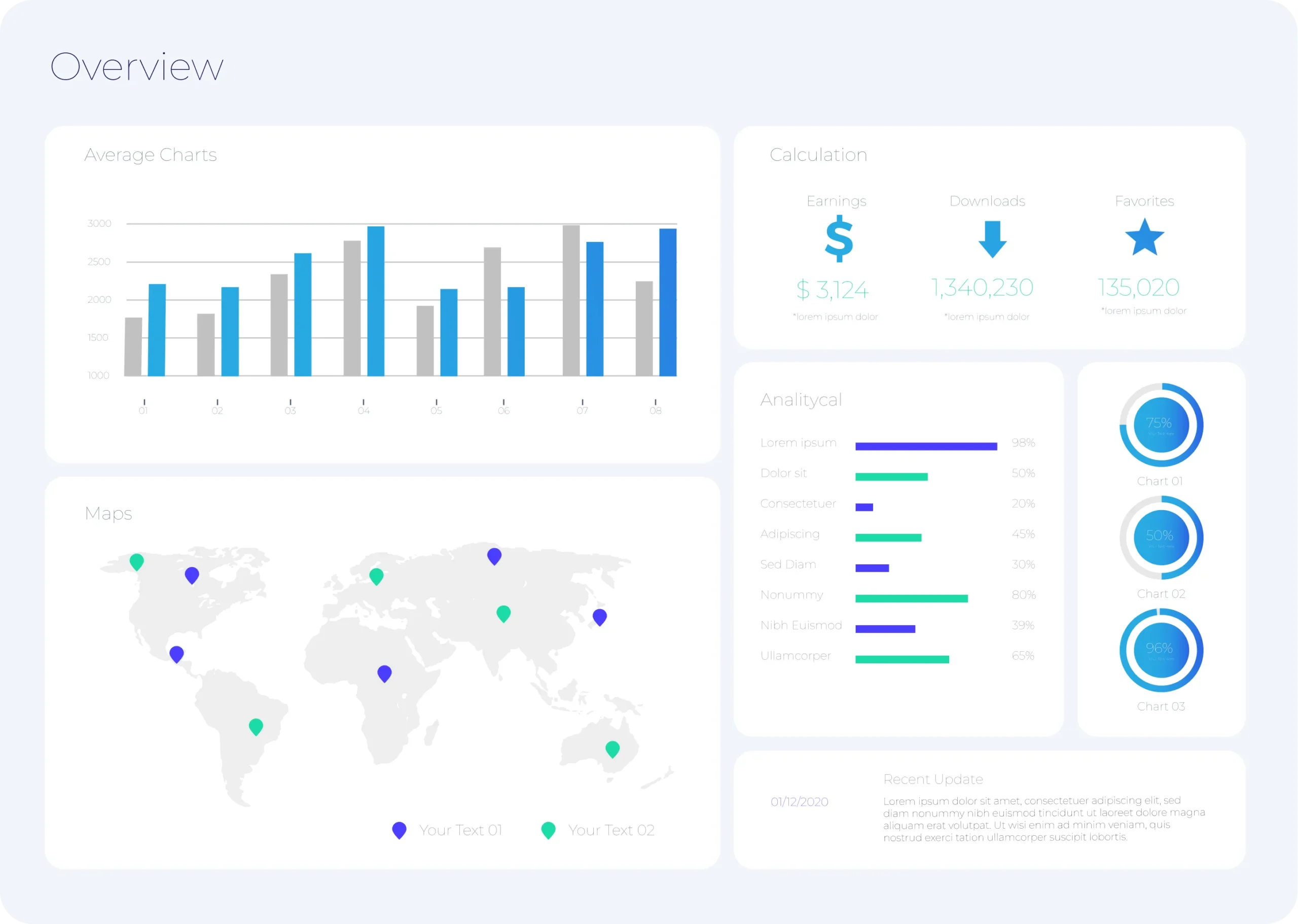
- Real-time dashboards for monitoring performance
- Reduced human error
Workflows become predictable, measurable, and controllable.
Core Components of an Effective Workflow Solution
Rule-Based Process Engines
Business rules define how cases move, eliminating subjective handling.
SLA Tracking & Escalation
Deadlines are enforced automatically, not manually monitored.
Exception Handling
Unusual cases are flagged without breaking the entire process.
Integrated Reporting
Decision-makers see trends, bottlenecks, and performance gaps.
Workflow Automation in Regulated Environments
For government and regulated industries, workflow automation is critical for:
- Auditability
- Compliance enforcement
- Transparency
- Policy alignment
Every action is logged, traceable, and defensible.
Automation Is Not About Replacing People
Automation removes repetitive coordination tasks so people can focus on:
- Judgment-based decisions
- Service quality
- Strategic improvements
It improves performance without sacrificing human oversight.
Final Thought
Efficient service delivery is not achieved through effort alone. It requires systems that guide, enforce, and measure how work is done.
Workflow automation is not a support system — it is the backbone of modern operations.